Why Cost-Effective Store Maintenance Matters
Keeping a retail store in good condition is not just about appearance. It plays a big part in controlling costs and protecting your business over time. When maintenance is handled in a planned and careful way, it helps avoid sudden breakdowns, costly repairs, and lost trading time. Small issues can quickly turn into expensive problems if they are ignored, so regular upkeep helps keep spending under control.
Cost-effective maintenance also supports a better shopping environment. Customers are more likely to return to a clean, safe, and well-presented store. This can help increase sales and reduce the need for extra spending on marketing to attract new customers. At the same time, staff can work more comfortably and safely when equipment and facilities are properly maintained.
By focusing on simple, regular checks and timely repairs, businesses can spread costs more evenly throughout the year. This avoids large, unexpected bills that can affect cash flow. In the long run, a well-maintained store is more efficient, more reliable, and far less expensive to run.
How Preventive Maintenance Helps Cut Expenses
Preventive maintenance is one of the most effective ways to reduce costs in a retail setting. Instead of waiting for something to break, this approach focuses on regular checks, servicing, and small fixes to keep everything working as it should. This reduces the risk of sudden failures that can lead to expensive emergency repairs or even temporary closure.
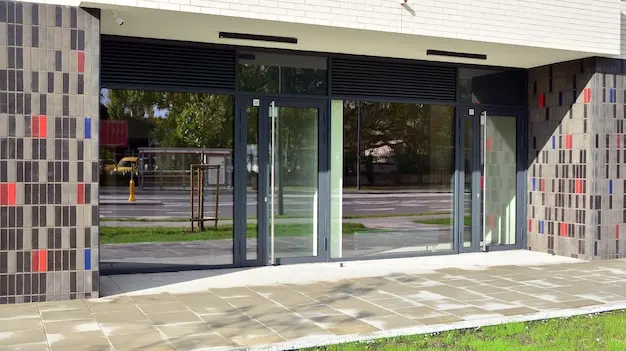
For example, checking electrical systems, doors, and equipment on a routine basis helps identify wear and tear early. Fixing a loose fitting or worn part is usually far cheaper than replacing an entire unit after it fails. Preventive maintenance also helps avoid damage spreading to other areas, which can increase repair costs.
Another benefit is better planning. When maintenance is scheduled in advance, businesses can budget more accurately and avoid last-minute spending. It also allows work to be carried out during quieter periods, reducing disruption to customers and staff.
Over time, this approach extends the life of equipment and fittings, meaning fewer replacements are needed. By investing a small amount regularly, retail stores can avoid large, unexpected costs and keep operations running smoothly.
Spotting Small Issues Before They Become Big Repairs
Many costly repairs start as small, easy-to-fix problems. A minor leak, a loose tile, or a flickering light may not seem urgent, but if left unattended, these issues can grow into much larger and more expensive faults. Regular inspections are key to spotting these early warning signs.
Staff should be encouraged to keep an eye out for anything unusual during their daily routines. This might include unusual noises from equipment, signs of water damage, or changes in how fixtures are working. Reporting these issues quickly allows them to be addressed before they worsen.
Routine walk-through checks can also help identify problems that may not be obvious at first glance. Looking at ceilings, walls, floors, and fittings in detail can reveal wear and tear that needs attention. Acting early often means repairs are simpler, quicker, and far less costly.
By dealing with small issues straight away, businesses can avoid larger disruptions and maintain a safe and pleasant environment. This simple habit can lead to significant savings over time.
Reducing Energy Costs Through Better Store Upkeep
Energy costs are a major expense for many retail stores, but good maintenance can help keep these costs under control. When systems are clean, well-adjusted, and working properly, they use less energy to do the same job. This improves efficiency and lowers monthly bills.
Simple tasks such as cleaning vents, checking seals on doors and windows, and ensuring equipment is not overworked can make a noticeable difference. Poorly maintained systems often have to work harder, which increases energy use and leads to higher costs.
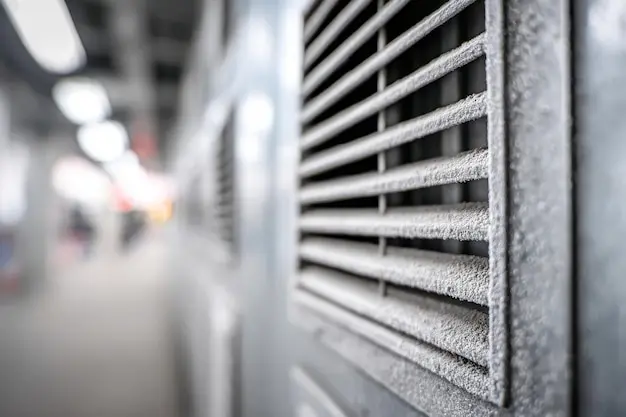
Regular servicing of electrical systems and appliances also helps ensure they are running at their best. Faulty or ageing equipment can waste energy without it being obvious. Replacing worn parts or upgrading inefficient systems can lead to long-term savings.
Good upkeep also helps maintain a comfortable environment for customers and staff. A store that is too hot, too cold, or poorly lit can affect the shopping experience. By keeping systems in good condition, businesses can reduce costs while maintaining a welcoming space.
Keeping Lighting Systems Efficient
Lighting plays a key role in both the look and running costs of a retail store. Poorly maintained lighting systems can lead to higher energy use, uneven brightness, and frequent replacements. Keeping lighting efficient helps reduce costs and maintain a pleasant shopping environment.
Regularly checking bulbs and fittings ensures that lights are working properly and not wasting energy. Replacing old or inefficient bulbs with modern options, such as LED lighting, can make a big difference. These use less power and last longer, which reduces both energy bills and replacement costs.
Cleaning light fixtures is another simple but effective step. Dust and dirt can reduce brightness, meaning more lights may be needed to achieve the same effect. Keeping fittings clean helps maintain good visibility without increasing energy use.
It is also helpful to review lighting levels across the store. Using lighting only where it is needed and switching off unused areas can prevent unnecessary energy use. With a few simple changes, lighting systems can become more efficient and cost-effective.
Maintaining Heating and Cooling Systems to Lower Bills
Heating and cooling systems are essential for comfort, but they can also be one of the biggest sources of energy costs. Regular maintenance helps keep these systems running efficiently and prevents unnecessary spending.
Filters should be cleaned or replaced as needed to allow air to flow freely. Blocked filters make systems work harder, which increases energy use and can lead to breakdowns. Checking thermostats and controls also ensures that temperatures are set correctly and not wasting energy.
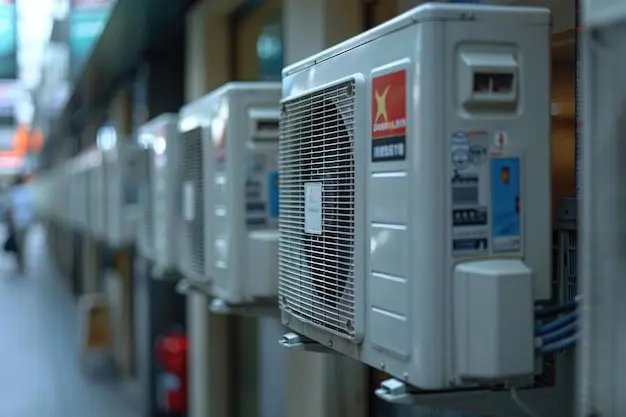
Routine servicing by a qualified professional can help identify issues before they become serious. Small faults, such as worn parts or leaks, can reduce efficiency and increase running costs if left unchecked. Addressing these early helps avoid expensive repairs later.
Good insulation and properly sealed doors and windows also support heating and cooling systems. When warm or cool air is kept inside, systems do not need to work as hard. This leads to lower energy bills and a more comfortable store environment.
Extending the Life of Fixtures and Equipment
Fixtures and equipment are a significant investment for any retail business, so keeping them in good condition is important for controlling costs. Regular care and maintenance can greatly extend their lifespan, reducing the need for frequent replacements.
Simple actions such as tightening fittings, lubricating moving parts, and cleaning surfaces can prevent wear and tear. Equipment that is well looked after is less likely to fail and often performs better over time. This reduces repair costs and avoids disruption to daily operations.
It is also important to use equipment correctly. Staff should be trained to handle fixtures and tools with care, as misuse can lead to damage. Clear guidelines can help prevent avoidable wear and keep items in good condition for longer. By taking a proactive approach, businesses can make the most of their existing assets. This reduces the need for large capital spending and helps maintain a consistent and professional store appearance.
Simple Cleaning Routines That Prevent Damage
Cleaning is not just about appearance. It also plays a key role in preventing damage and reducing long-term costs. Dirt, dust, and spills can cause wear and deterioration if they are not dealt with promptly.
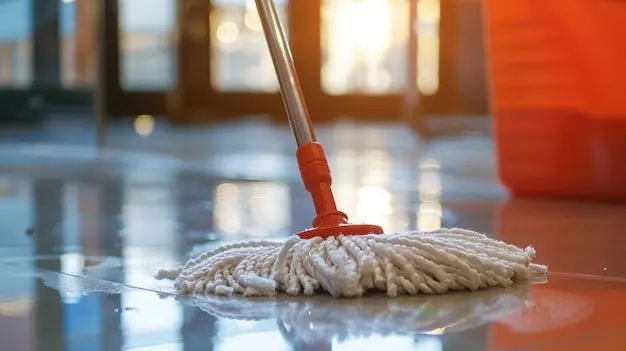
Regular cleaning routines help protect surfaces such as floors, shelves, and counters. For example, removing grit and debris from floors can prevent scratches and reduce the need for repairs. Wiping down surfaces also helps maintain their condition and appearance.
Spills should be cleaned up quickly to avoid staining or damage. In some cases, liquids can weaken materials or create safety hazards if left unattended. A simple, consistent approach to cleaning helps prevent these issues.
Using the right cleaning products is also important. Harsh chemicals can damage surfaces over time, leading to higher replacement costs. By choosing suitable products and following proper methods, businesses can keep their store in good condition while avoiding unnecessary expense.
Reducing Flooring Repair and Replacement Costs
Flooring is one of the most heavily used areas in any retail store, so it is often at risk of damage. Taking steps to protect it can help reduce repair and replacement costs over time.
Entrance mats are a simple but effective way to prevent dirt and moisture from being tracked inside. This reduces wear and keeps floors in better condition. Regular cleaning also helps remove debris that can cause scratches or damage.
It is important to address small issues, such as loose tiles or worn areas, as soon as they appear. Leaving these problems can lead to larger sections needing repair, which is more expensive. Quick fixes are usually far more cost-effective. Choosing durable materials in high-traffic areas can also make a difference. While the initial cost may be higher, long-lasting flooring often requires less maintenance and fewer repairs. With the right care and attention, flooring can remain in good condition for many years.
Managing Maintenance Budgets More Effectively
Managing a maintenance budget well helps retail businesses stay in control of costs and avoid financial surprises. Without a clear plan, it is easy for repair bills, emergency call-outs, and replacement costs to build up quickly. A sensible budget makes it easier to deal with routine upkeep while still preparing for unexpected problems.
One useful approach is to divide spending into two parts: planned maintenance and emergency repairs. Planned costs can include servicing heating and cooling systems, checking lighting, inspecting doors, and carrying out regular cleaning tasks. Setting money aside for these jobs helps ensure they are not delayed. A separate amount for unexpected issues, such as leaks or faulty equipment, can also prevent sudden pressure on cash flow.
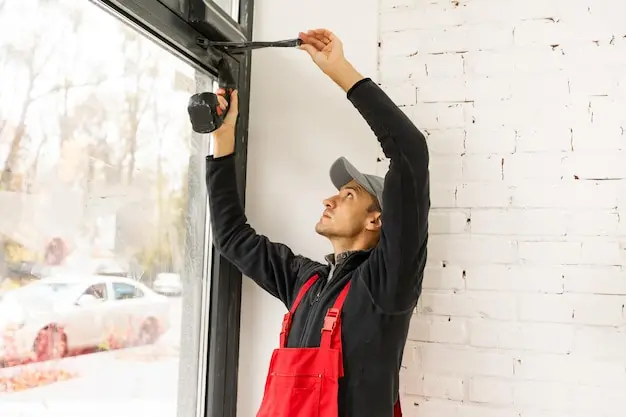
Keeping records of previous maintenance work is equally important. When businesses track what has been repaired, replaced, or serviced, they can spot patterns and plan ahead more effectively. This can show whether it is better to keep repairing an item or replace it altogether.
It also helps to prioritise spending. Safety issues and faults that affect the customer experience should be dealt with first, while less urgent work can be planned for a quieter time. By reviewing the budget regularly and staying organised, retail stores can reduce waste, avoid larger repair bills, and keep the premises in good condition throughout the year.
Training Staff to Report Problems Early
Staff play a key role in maintaining a retail store, as they are often the first to notice when something is not right. Training them to report problems early can help prevent small issues from becoming costly repairs.
Encouraging a simple reporting process makes it easier for staff to raise concerns. This could be as straightforward as logging issues in a book or using a shared system. The sooner a problem is reported, the quicker it can be resolved.
Basic training can also help staff understand what to look for. This might include signs of damage, unusual equipment behaviour, or safety concerns. With the right knowledge, staff can act as an extra layer of protection for the business.
By involving staff in maintenance efforts, businesses can improve efficiency and reduce costs. Early reporting leads to quicker fixes, less disruption, and a safer, more reliable store environment.
Keep your store safe, efficient, and welcoming with expert retail store maintenance in Oxfordshire, Portsmouth and Southampton. Contact R&S Property Maintenance Services Ltd today to discuss your requirements and arrange a tailored service plan.